A blockchain is a type of database which is a collection of information stored on a computer system electronically. What is kept in databases, information and data is usually structured in a table format that makes it easier to search and filter information. Databases are designed to store large amounts of information that can be accessed, filtered and edited easily and quickly by many users at any time.
To do this, extensive databases house data on servers that are made of potent computers. Those servers can be built using hundreds and hundreds of computers. Why? To have the computational storage and power needed for many users to access the database simultaneously. This is the difference from a database too, let’s say, a storage cloud-like drive.
Here’s how a blockchain differs from a database. The first difference is how data is structured. A database structures data into tables, while a blockchain collects information into groups, known as blocks, that hold data sets. Each block has a specific storage capacity that is chained onto the previous filled block when it gets filled, forming a chain of data. That’s why it’s called the blockchain: Millions of blocks filled with data are chained together.
This system means that every blockchain is a database that is more complex since it creates an irreversible chainline of data when implemented in a decentralized system. When one block is filled, it is unchangeable and becomes part of a timeline, and so, each block on the chain has an exact timestamp when added to the chain.
Thus, the goal of the blockchain is to allow digital information to be recorded and distributed, but not edited. That’s why it is not a database per se; no one can change it once it is filled and chained. With the appearance of Bitcoin technology, blockchain had its first actual application.
How using blockchain reduces transaction risks?
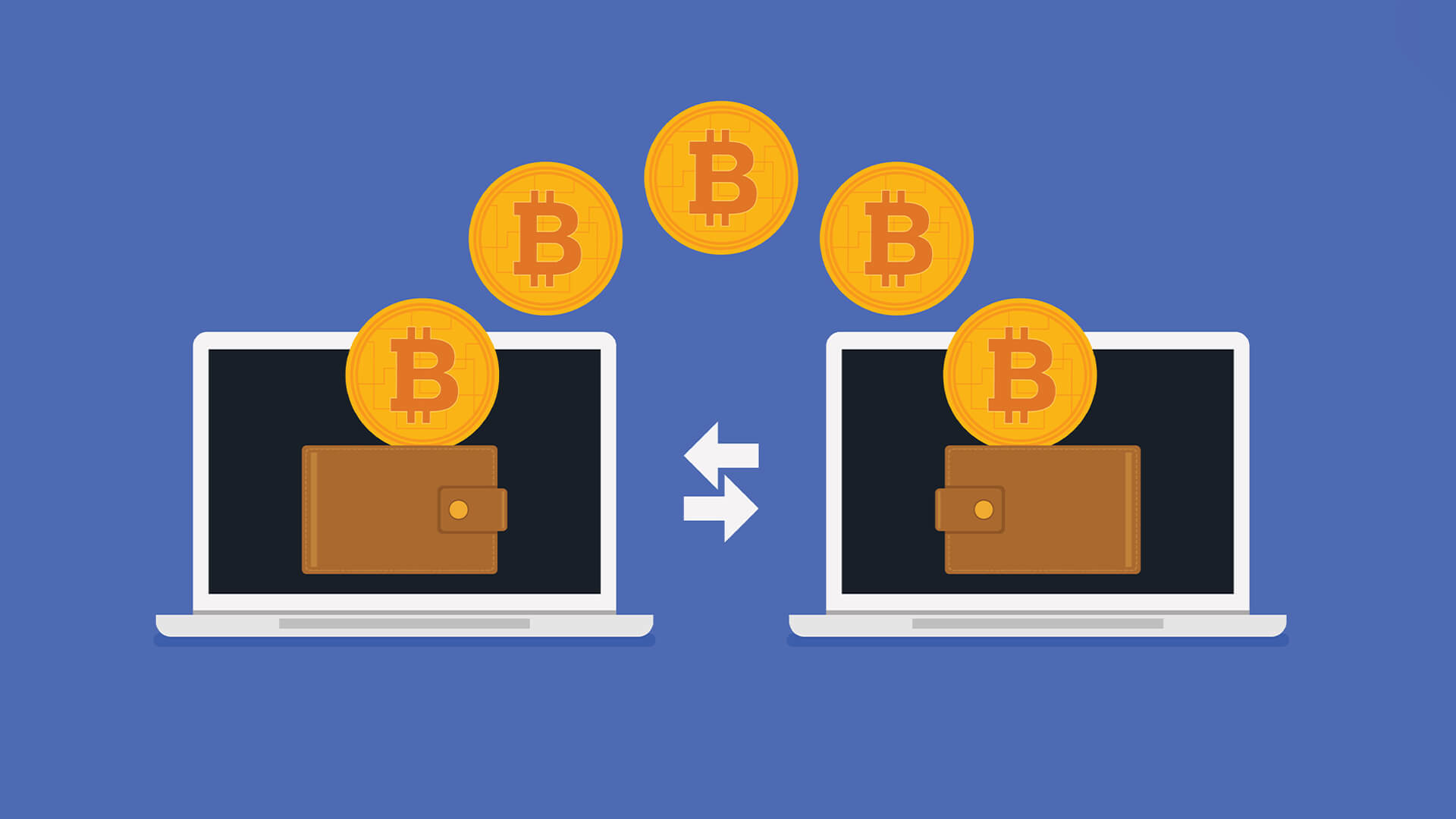
Using a blockchain network comes with a lot of advantages. First, the accuracy of the chain. Transactions that are part of the blockchain have to be approved by thousands of thousands of computers. This removes all human involvement in the verification, which means there are fewer human errors, as well as a more accurate record of information.
But, what if one of the computers in the network makes a computational mistake? The error would only be in one copy of the blockchain. For it to spread, at least 51% of the network would need to have the same mistake, which is very unlikely.
Another advantage is that blockchain eliminates the need for third-party verifiers. Any member of the Bitcoin network can check and verify the blockchain at any time.
Blockchain data is decentralized, which means that it is not stored in a central location but instead copied and spread across a vast network of computers. This makes it very hard for anyone to tamper with the data since someone would need access to all of the networks to compromise it.
Finally, an instrumental part of the blockchain is that, although anyone with an internet connection can see the list of the network’s transaction history and access details about transactions, no one can access identifying information about the users that are making those transactions. Also, every time a transaction is recorded, it is verified by the network, meaning that the thousands of computers that compose it confirm if the details of the purchase are correct.