Blockchain works very differently from a traditional bank since it is 100% decentralized and it relies on thousands of computers to verify its transactions. This means it runs 24/7, every day of the year. The most significant advantage of all of the Bitcoin blockchain is its transparency because the blockchain acts as a public ledger for every transaction made in the Bitcoin network.
Other differences are that the speed of the transactions is as little as 15 minutes or as much as over an hour, depending on the network’s congestion. While card payments and check deposits can take from 24 to 72 hours.
The Bitcoin blockchain has variable fees, usually ranging from $0 to $50. While the fee is unrelated to the amount being transferred, it is determined by network circumstances at the moment and the transaction’s data size. Because a block on the Bitcoin blockchain may only hold one megabyte (MB) of data, the number of transactions included in a single block is limited.
Another difference is in the way of making transactions. While the blockchain allows anyone with an internet connection to make a transfer, banks need you to have an account, a mobile phone, or a computer.
All of these differences make blockchain technology a great disruptor of traditional finances and the banking industry. They are tamper-proof and decentralized, set-in-stone chains that not only reduce costs but create a transparent network in which users can feel empowered and safe.
The limitations of the blockchain
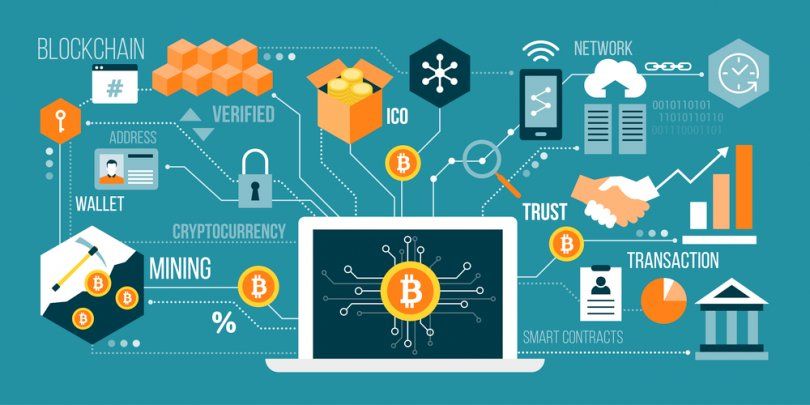
Although the blockchain comes with many benefits, like everything, it has its downsides. The first is that the blockchain can slow down when there are too many users on the network. It is also harder to scale due to its consensus method of work.
Another limitation is that data within the blockchain is immutable, you cannot go back and alter the previous block once it is written. Some may view it as an imitation that requires self-maintenance, which means that users have to maintain their own wallets or else they can lose access.
A big limitation is that blockchain technology is still not mature. Also, it doesn´t offer interoperability with other blockchains and other financial systems, and is hard to integrate into legacy systems.