
What is automated crypto trading?
Automated crypto trading is the practice of using computer programs (crypto trading bots) to buy and sell digital currencies on one’s behalf. These software applications are intended to react to market changes to trade at the optimum moment.
Furthermore, automatic crypto trading removes the element of uncertainty and emotion from manually buying and selling cryptocurrencies.

Although some newer crypto bots utilize smart contracts and operate directly on the blockchain, most automated crypto trading platforms are still APIs. The term API refers to an application programming interface that allows your account to communicate with a cryptocurrency exchange so it can open and close positions on the user’s behalf according to certain predetermined conditions.
Automated cryptocurrency trading has many advantages over manual trading, including the fact that bots can work continuously without rest. They are also unbiased by emotion, so they will always adhere to their game plan and follow any new market trend or event immediately after it happens.
Advantages and disadvantages of automated crypto trading
There are a lot of advantages that those who adopt automated crypto trading enjoy. Here are some of the most notable benefits of automated trading.
1. Minimizing Emotions
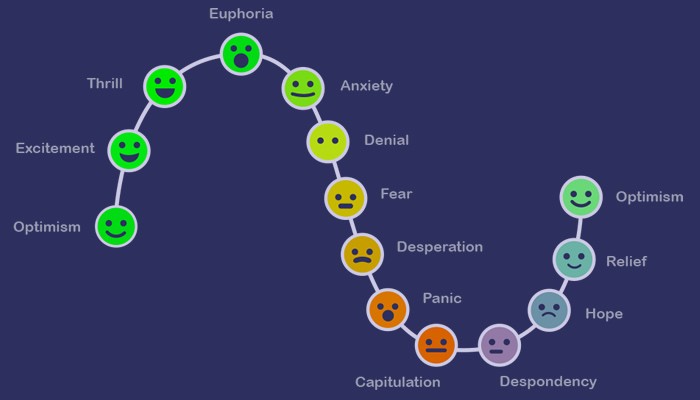
Automated crypto trading systems play a pivotal role in mitigating the influence of emotions on trading decisions. By swiftly executing trades based on pre-defined parameters, these systems eliminate the potential for hesitation or second-guessing that often accompanies human decision-making.
Emotions such as fear, greed, and FOMO (fear of missing out) can cloud judgment and lead traders to make irrational decisions, resulting in losses. However, by entrusting trading decisions to a crypto trading bot, traders can bypass these emotional pitfalls entirely. The bot operates solely on logic and algorithms, devoid of any emotional biases, ensuring consistent and disciplined execution of trades.
Moreover, crypto trading bots are invaluable tools for traders prone to overtrading. These individuals may succumb to the temptation of buying and selling impulsively, driven by the desire to capitalize on every market fluctuation. However, automated systems adhere strictly to predetermined trading strategies, preventing impulsive trading behavior and promoting a more disciplined approach to investing.
Furthermore, by automating the trading process, these systems free up valuable time for traders to focus on strategy development, analysis, and other aspects of portfolio management. This allows traders to make more informed decisions and optimize their overall trading performance.
2. Backtesting
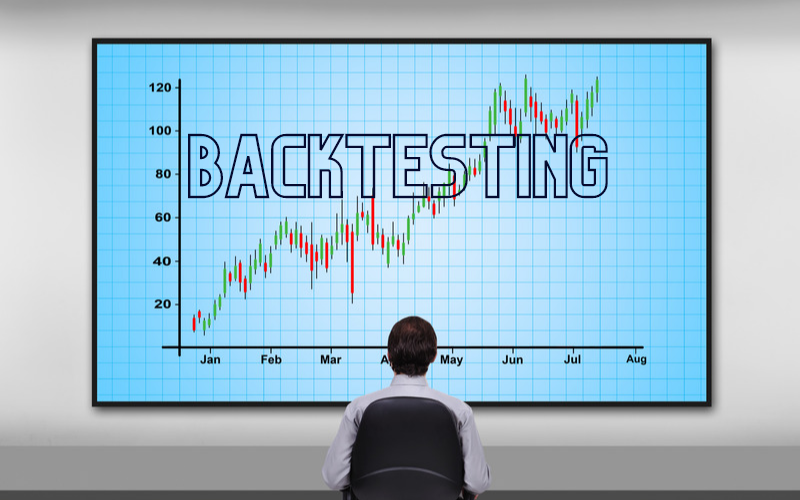
Automated trading systems can be backtested using historical data to generate simulated results. This process allows for the refinement and improvement of a trading strategy before it’s put into live use. When building an automated trading system, all rules must be concrete with no space for biases.
The computer cannot make assumptions and has to be given explicit instructions on what to do. Before risking money, traders can test these parameters against past data. Backtesting is a method of experimenting with trading ideas and determining the system’s expectancy, which is the average amount a trader can expect to gain (or lose) for each unit of risk.
3. Preserving discipline

In the tumultuous world of trading, the allure of a market rally can often cloud judgment, leading to impulsive and potentially detrimental decisions. However, traders can navigate volatile market conditions with composure by adhering to the predefined rules outlined by their trading strategy.
These rules serve as a compass, guiding traders through the unpredictable twists and turns of the market landscape. They provide a structured framework that helps traders maintain discipline and resist the temptation to deviate from their strategy in the heat of the moment.
By following these rules diligently, traders can sidestep common pitfalls such as chasing losses or entering trades without a clear plan. Instead, they approach each trade with a methodical mindset, carefully weighing the risk-reward dynamics and sticking to their predetermined parameters.
Moreover, adhering to trading rules fosters consistency and accountability, essential traits for long-term success in trading. It instills a sense of confidence in traders, knowing that their actions are grounded in a well-thought-out strategy rather than impulsive emotions.
4. Improving order entry speed

Crypto trading bots leverage advanced algorithms to swiftly analyze market trends and execute trades with precision. Their ability to monitor the market 24/7 ensures that no lucrative opportunity goes unnoticed. Unlike humans, these bots are not subject to emotional biases and fatigue, enabling them to make rational decisions even in highly volatile conditions.
In the fast-paced world of Bitcoin trading, timing is crucial. A mere fraction of a second can make a substantial difference in the outcome of a trade. By reacting instantly to market fluctuations, these bots capitalize on fleeting opportunities, maximizing profits and minimizing losses. Their agility in responding to changes in market conditions gives them a competitive edge over human traders.
Moreover, crypto trading bots can execute trades across multiple exchanges simultaneously, further enhancing their efficiency and responsiveness. This multi-exchange capability allows them to exploit price differentials and arbitrage opportunities in real-time, optimizing returns for their users.
In summary, crypto trading bots offer unparalleled speed and precision in executing trades, providing traders with a crucial advantage in the dynamic and volatile cryptocurrency markets.
5. Diversifying trading

Crypto bots revolutionize trading by empowering users to manage multiple accounts or employ diverse strategies simultaneously. This feat would be exceedingly challenging for a human trader due to the complexities of monitoring and executing trades across various assets and strategies in real-time.
With the ability to process vast amounts of data in milliseconds, automated crypto trading systems swiftly identify and capitalize on profitable opportunities. They continuously scan the market for favorable conditions, executing trades with precision and efficiency. This proactive approach ensures that no potential profit is overlooked, thereby optimizing returns for users.
Furthermore, automated trading systems enable traders to diversify their portfolios effortlessly. By investing in a wide range of assets, users spread their risk and mitigate the impact of any single asset’s downturn on their overall portfolio. This diversification strategy enhances the resilience of their investment portfolio, safeguarding against substantial losses in volatile market conditions.
In essence, crypto bots serve as invaluable tools for traders seeking to maximize profits and manage risk effectively. Their unparalleled speed, accuracy, and ability to execute complex strategies make them indispensable assets in the fast-paced world of cryptocurrency trading.
Disadvantages
Although automated crypto traders enjoy a variety of benefits, there are a number of drawbacks associated with the practice.
1. High start-up costs

Developing an automated trading system entails a significant investment of both skills and time. Designing algorithms, backtesting strategies, and coding the system from scratch demand expertise in programming and finance. Moreover, crafting a robust and reliable system requires meticulous attention to detail and extensive testing to ensure its effectiveness in real-world market conditions.
Aside from the considerable time and effort expended in the development phase, there are also financial considerations to contend with. The initial expenses incurred in creating the system, including software development tools, data feeds, and possibly hiring specialized talent, can be substantial. In some cases, these upfront costs may offset any gains the system generates in the initial stages of operation.
Additionally, once the automated trading system is up and running, there are ongoing operational costs to consider. These include expenses for hosting services, virtual private servers (VPS), data subscriptions, and other essential infrastructure to maintain the system’s functionality. These recurring costs must be factored into the overall budget for running the automated trading system effectively.
Despite the initial and ongoing expenses associated with developing and maintaining an automated trading system, many traders view it as a worthwhile investment. The potential benefits, such as improved efficiency, reduced emotional bias, and the ability to capitalize on market opportunities 24/7, often outweigh the costs in the long run. However, it’s essential for traders to carefully assess the financial implications and weigh them against the potential benefits before embarking on such a venture.
2. Ongoing maintenance costs

Continuous monitoring is crucial for the effective operation of automated trading systems, as they are susceptible to various potential disruptions. Network outages, software upgrades, and unforeseen market events can all impact trade execution and performance, necessitating vigilant oversight to mitigate risks and ensure smooth operation.
Network outages pose a significant threat to automated trading systems, as they can interrupt connectivity with exchanges and disrupt the flow of trade orders. Regular monitoring allows traders to promptly address any connectivity issues and implement contingency measures to minimize downtime and potential losses.
Software upgrades are another aspect that requires careful attention. While updates may introduce new features or improve system performance, they can also introduce compatibility issues or bugs that may disrupt the functioning of the trading system. Monitoring enables traders to assess the impact of software upgrades and implement necessary adjustments or patches to maintain system integrity.
3. Lack of flexibility

Crypto trading bots operate based on predefined rules and algorithms, designed to execute trades automatically without human intervention. While these rules provide structure and discipline to trading strategies, they can also limit the bot’s ability to adapt to rapidly changing market conditions. This lack of adaptability may indeed lead to missed opportunities or suboptimal trades in certain scenarios.
Market dynamics are inherently unpredictable, with prices fluctuating rapidly in response to news events, investor sentiment, and other factors. In such volatile conditions, a trading strategy that worked well in the past may prove ineffective or even detrimental if market conditions shift unexpectedly.
4. Mechanical failure
Automated crypto trading systems, while designed to streamline trading processes and enhance efficiency, are not immune to technical glitches and failures. Just like any other system, they can be susceptible to various technical problems, including network outages, power outages, and errors in data feeds.
Network outages represent a significant risk to automated trading systems, as they can disrupt communication between the trading bot and cryptocurrency exchanges. Without a stable network connection, the bot may fail to receive real-time market data or execute trade orders, potentially leading to missed opportunities or incorrect trading decisions.
Similarly, power outages pose a threat to the uninterrupted operation of automated trading systems, especially if they are hosted on local servers or computers. A sudden loss of power can cause the trading system to shut down unexpectedly, halting all trading activities and leaving positions exposed to market risks.
Furthermore, errors in data feeds can also impact the accuracy and reliability of automated trading systems. If the system receives incorrect or incomplete market data, it may make erroneous trading decisions, such as placing orders at incorrect prices or quantities. These errors can result in significant losses if not detected and corrected promptly.
In the event of technical problems or failures, traders must have contingency plans in place to minimize the impact on their trading activities. This may include implementing redundancy measures, such as backup network connections or power sources, as well as regularly monitoring system performance and conducting periodic checks for data accuracy.